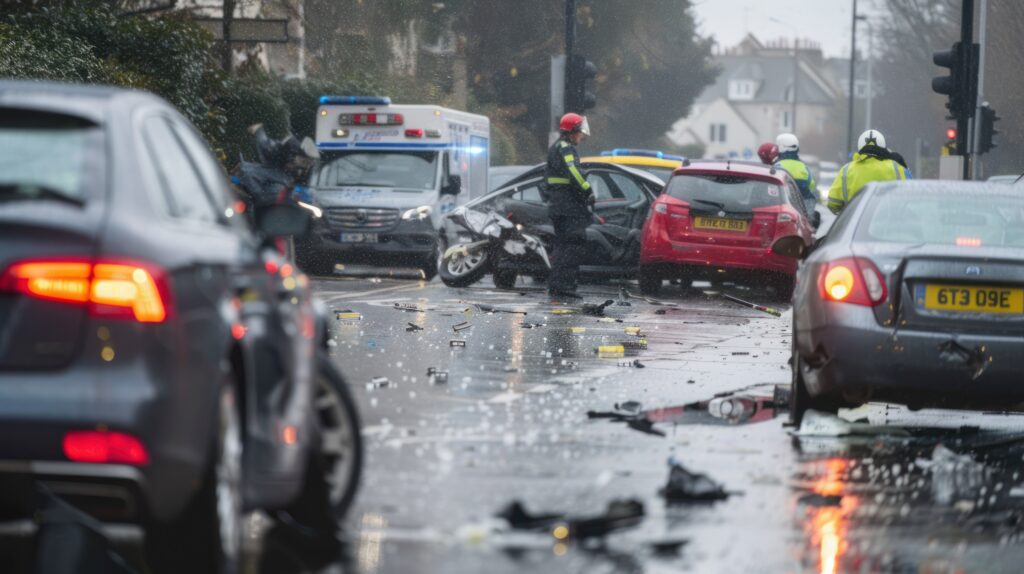
A Pennsylvania uninsured motorist accident can leave you facing serious financial and legal stress. You may be recovering from injuries, missing work, and trying to repair your vehicle — only to learn that the driver who caused the crash has no insurance.
Under the Pennsylvania Motor Vehicle Financial Responsibility Law (MVFRL), drivers are required to carry minimum auto insurance. Unfortunately, not everyone complies. When an uninsured driver causes a crash, your ability to recover compensation often depends on whether you purchased uninsured motorist (UM) coverage.
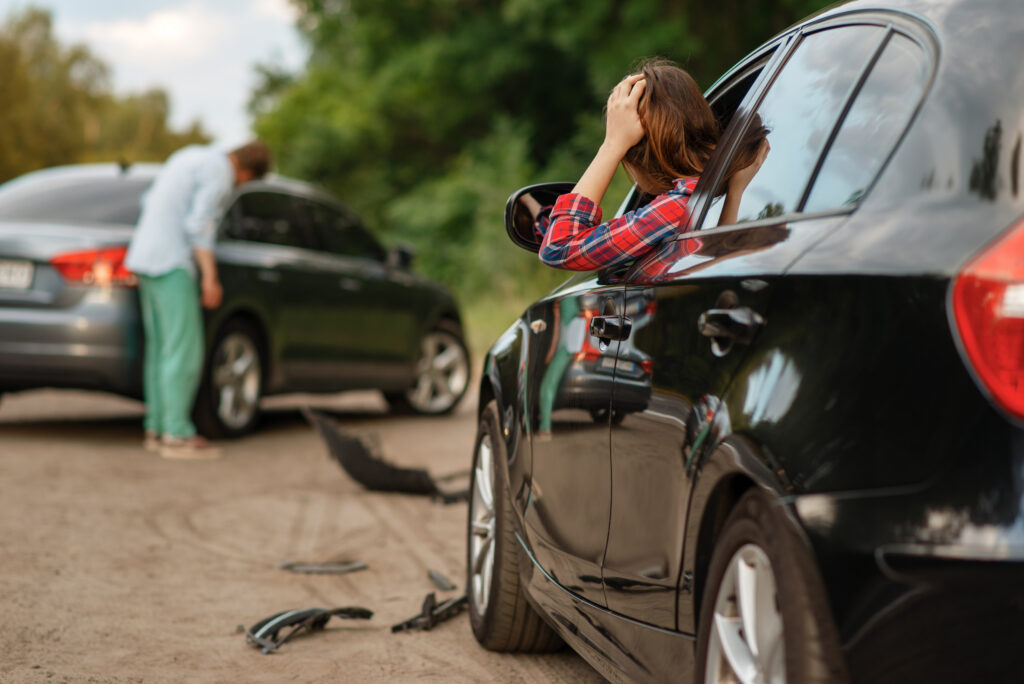
This guide explains what happens next, how uninsured motorist coverage works in Pennsylvania, how to file a claim, and when to contact a lawyer.
What Happens After an Uninsured Driver Accident in Pennsylvania?
Discovering that the at-fault driver has no insurance can be alarming. However, there is a structured process that follows.
Police Investigation and Documentation
After any car accident, law enforcement will respond, investigate the crash, and create an official police report. If the other driver cannot provide proof of insurance, that information will be documented. The police report becomes critical evidence in your uninsured motorist claim.
Determining Fault
Pennsylvania follows a modified comparative negligence system. This means:
- You cannot recover compensation if you are more than 50% at fault.
- If you are partially at fault (50% or less), your compensation may be reduced proportionally.
Even in uninsured driver accidents, fault must still be proven.
Confirming the Driver Is Uninsured
Your insurance company will verify that the other driver truly lacked active insurance coverage. Sometimes policies lapse or are cancelled shortly before a crash. Written confirmation is usually required before your UM benefits apply.
Filing a First-Party Claim
If you carry uninsured motorist coverage, you will file a claim with your own insurer rather than pursuing the other driver’s nonexistent policy. This is known as a first-party claim.
Understanding Uninsured Motorist Coverage in Pennsylvania
Uninsured motorist coverage protects you when an at-fault driver has no insurance. In Pennsylvania, UM coverage generally applies to bodily injury damages, including:
- Emergency room treatment
- Hospital stays
- Surgeries
- Physical therapy
- Lost wages
- Pain and suffering
It typically does not cover property damage unless specifically added to your policy.
Is UM Coverage Required in PA?
Insurance companies must offer UM coverage when issuing policies, but drivers may reject it in writing. Many people decline this coverage to reduce premiums, not realizing how exposed they may be if struck by an uninsured driver.
If you rejected UM coverage, your recovery options may be limited to suing the uninsured driver directly — which may not result in meaningful compensation.
Pennsylvania Minimum Insurance Requirements
The Pennsylvania Motor Vehicle Financial Responsibility Law requires drivers to carry at least:
- $15,000 bodily injury liability per person
- $30,000 bodily injury liability per accident
- $5,000 property damage liability
These minimum limits are relatively low compared to the potential cost of serious injuries.
Why Minimum Limits May Not Be Enough
Medical costs can escalate quickly. Even a moderate injury involving diagnostic imaging and physical therapy can exceed $15,000. Severe injuries requiring surgery or long-term rehabilitation may reach six figures.
If the at-fault driver has no insurance, these minimum requirements offer you no direct protection. That is where your uninsured motorist coverage becomes essential.
How a Pennsylvania Uninsured Motorist Claim Works
Although you are filing with your own insurance company, the process is not automatic.
You Still Have to Prove Your Case
Your insurer will evaluate the claim just as it would if defending another driver. You must demonstrate:
- The other driver was negligent
- The negligence caused your injuries
- Your medical treatment was necessary
- Your damages are supported by documentation
Insurance companies may challenge your claim by questioning fault, disputing the severity of injuries, or arguing that some treatment was unrelated to the accident.
Negotiation Often Follows
Once you submit your medical records and evidence, the insurance company may make a settlement offer. Initial offers are often lower than the full value of your claim. Negotiations may continue for weeks or months.
Step-by-Step: How to File an Uninsured Motorist Claim in Pennsylvania
If you are wondering how to file an uninsured motorist claim in Pennsylvania, the process generally follows these steps.
Step 1: Notify Your Insurance Company
Report the accident as soon as possible. Most policies require prompt notice.
Step 2: Confirm Uninsured Status
Ensure documentation shows the at-fault driver had no valid insurance coverage.
Step 3: Gather Evidence
Collect and preserve:
- Police reports
- Medical records and bills
- Wage loss documentation
- Photos of injuries and vehicle damage
- Witness statements
Step 4: Submit a Demand for Compensation
After your condition stabilizes, you or your attorney may submit a formal demand outlining the compensation sought.
Step 5: Negotiate or Proceed to Arbitration
If a settlement cannot be reached, the dispute may move to arbitration.
Pennsylvania Uninsured Motorist Arbitration Explained
Most Pennsylvania UM policies include arbitration clauses. This means that instead of filing a lawsuit in court, disputes are resolved through arbitration.
What Is Arbitration?
Arbitration is a private dispute resolution process where:
- A neutral arbitrator or panel hears the case
- Both sides present evidence and arguments
- A binding decision is issued
Although arbitration is typically faster than court litigation, it still requires preparation, documentation, and persuasive presentation of evidence.
Why Arbitration Matters
Arbitration decisions are often binding and difficult to appeal. Proper preparation and legal strategy are crucial to maximizing compensation.
Can You Sue an Uninsured Driver in Pennsylvania?
Yes, you can sue an uninsured driver directly. However, whether that lawsuit results in meaningful compensation depends on the driver’s financial situation.
If the uninsured driver has:
- Limited income
- Few assets
- Significant debt
You may obtain a judgment but struggle to collect payment.
For this reason, uninsured motorist coverage is often the most reliable path to recovery.
Common Challenges in Uninsured Motorist Claims
Uninsured motorist claims frequently involve disputes. Some of the most common issues include:
- Disagreements about fault
- Allegations of pre-existing injuries
- Low settlement offers
- Disputes over medical necessity
- Policy interpretation conflicts
Understanding these potential challenges can help you prepare for the claims process.
How Much Uninsured Motorist Coverage Do You Need?
There is no universal rule, but many professionals recommend carrying UM coverage equal to your liability limits.
For example, if you carry $100,000 per person in liability coverage, consider purchasing $100,000 per person in uninsured motorist coverage.
Higher limits provide greater financial protection if you suffer serious injuries caused by an uninsured driver.
You may also have the option to stack coverage across multiple vehicles, increasing available compensation.
Time Limits for Pennsylvania Uninsured Motorist Claims
Pennsylvania generally imposes a two-year statute of limitations for personal injury claims. However, insurance policies may require much earlier notice of claims.
Failing to report an accident promptly can jeopardize your ability to recover compensation.
Acting quickly helps preserve evidence and protect your rights.
When Should You Contact a Pennsylvania Uninsured Motorist Lawyer?
Legal representation may be especially helpful if:
- You sustained serious or permanent injuries
- Liability is disputed
- The insurance company denies or undervalues your claim
- Arbitration is required
- You are unsure how to calculate your damages
An experienced attorney can review your policy, gather evidence, negotiate aggressively, and represent you in arbitration proceedings.
Frequently Asked Questions About Pennsylvania Uninsured Motorist Accidents
What happens if the driver who hit me didn’t have insurance in PA?
If the at-fault driver has no insurance, you generally have two potential paths:
- File a claim under your own uninsured motorist (UM) coverage.
- Sue the uninsured driver directly.
Most people rely on UM coverage because suing an uninsured driver may not result in meaningful financial recovery if that person lacks assets or income. Your insurance company will investigate fault and evaluate your injuries before offering compensation.
Does my insurance automatically cover me if the other driver had no coverage?
Not automatically. Your policy must include uninsured motorist (UM) coverage.
Under the Pennsylvania Motor Vehicle Financial Responsibility Law, insurance companies must offer UM coverage, but drivers can reject it in writing. If you rejected UM coverage when purchasing your policy, you may not have protection for bodily injury caused by an uninsured driver.
Review your declarations page or contact your insurer to confirm whether UM coverage applies.
What does uninsured motorist coverage pay for in Pennsylvania?
In most cases, UM coverage pays for bodily injury damages, including:
- Medical bills
- Future medical treatment
- Lost wages
- Loss of earning capacity
- Pain and suffering
It typically does not cover vehicle property damage unless your policy includes additional coverage.
How do I file an uninsured motorist claim in Pennsylvania?
To file a PA uninsured motorist claim, you should:
- Report the accident to your insurer promptly.
- Confirm the at-fault driver is uninsured.
- Gather documentation (police report, medical records, wage statements).
- Submit evidence of your damages.
- Negotiate a settlement or proceed to arbitration if necessary.
Because the insurance company may dispute your claim, many people consult an attorney during this process.
Is there a deadline to file an uninsured motorist claim in PA?
Yes. Pennsylvania generally has a two-year statute of limitations for personal injury claims. However, your insurance policy may require much earlier notice of the accident.
Failing to report the claim promptly could allow the insurer to deny coverage. It is best to act quickly after the crash.
Final Thoughts
A Pennsylvania uninsured motorist accident can create uncertainty, frustration, and financial strain. However, uninsured motorist coverage exists to protect responsible drivers when others fail to carry required insurance.
By understanding how UM coverage works, gathering strong documentation, and taking timely action, you can improve your chances of recovering fair compensation.
Contact Purchase, George & Murphey, P.C. Today
If you were injured in an accident involving an uninsured driver in Pennsylvania, consider speaking with a knowledgeable attorney who understands Pennsylvania auto insurance law and uninsured motorist arbitration procedures.
Contact us today for a free consultation to review your case, protect your rights, and pursue the compensation you deserve.