What is a Car Insurance Surcharge in Pennsylvania?
Pennsylvania Car Insurance Surcharges Explained
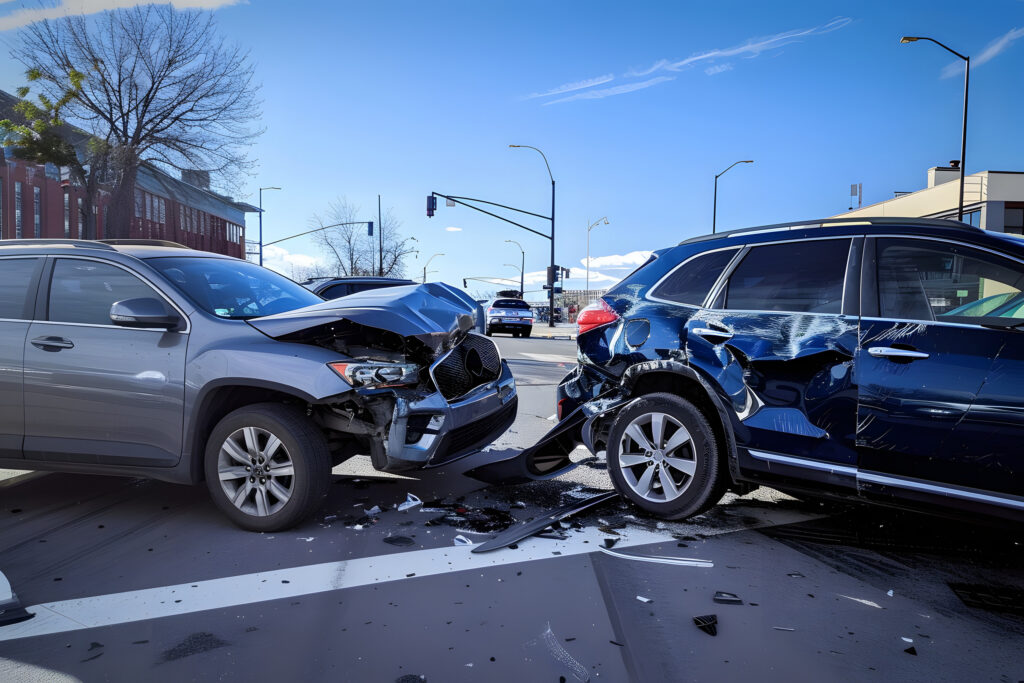
A car insurance surcharge is a penalty added to your premium — typically after you file a claim or are involved in an accident that your insurer determines was your fault. In Pennsylvania, surcharges are a standard industry practice, and they can result in significantly higher premiums for three to five years following a qualifying event. Understanding how surcharges work can help you make informed decisions after an accident, including whether to file a claim at all.
What Triggers a Surcharge in Pennsylvania?
Not every accident or claim automatically results in a surcharge. Pennsylvania insurers generally apply surcharges based on:
- At-fault accidents — where you are determined to be primarily responsible for the collision
- Moving violations — such as speeding, running a red light, or reckless driving convictions
- DUI convictions — which can result in significant premium increases or policy cancellation
- Comprehensive claims — in some cases, multiple non-fault claims (theft, weather damage) may trigger a surcharge
Pennsylvania does not have a statewide surcharge schedule — each insurer sets its own rules — so the amount and duration of a surcharge can vary significantly between companies. Some insurers offer “accident forgiveness” programs that waive the surcharge for a first at-fault accident.
How Much Can a Surcharge Increase Your Premium?
Surcharges typically increase your premium by 20% to 40% per year, depending on your insurer and the severity of the incident. A single at-fault accident can cost you thousands of dollars in additional premiums over the surcharge period. Serious violations like DUI can double your rates or lead to your insurer refusing to renew your policy altogether, forcing you into the higher-cost assigned risk market.
Does Filing a Claim Always Trigger a Surcharge?
Not always. Many policies distinguish between at-fault and not-at-fault claims. If you were hit by another driver and that driver’s insurer paid the claim, you typically won’t be surcharged. However, if you filed under your own collision or UM/UIM coverage after an accident where fault is disputed, your insurer may still apply a surcharge depending on the policy language and how fault is ultimately assigned.
If you’ve been in an accident in the Erie area and are concerned about insurance consequences, the attorneys at Purchase, George & Murphey, P.C. can help you understand your rights and options. Contact us for a free consultation.