Multi-car pileups — also called chain-reaction crashes — are among the most complex types of vehicle accidents to investigate and resolve. With multiple vehicles, drivers, and insurance companies involved, determining who is responsible becomes a tangled process of legal interpretation, forensic analysis, and insurance investigation.
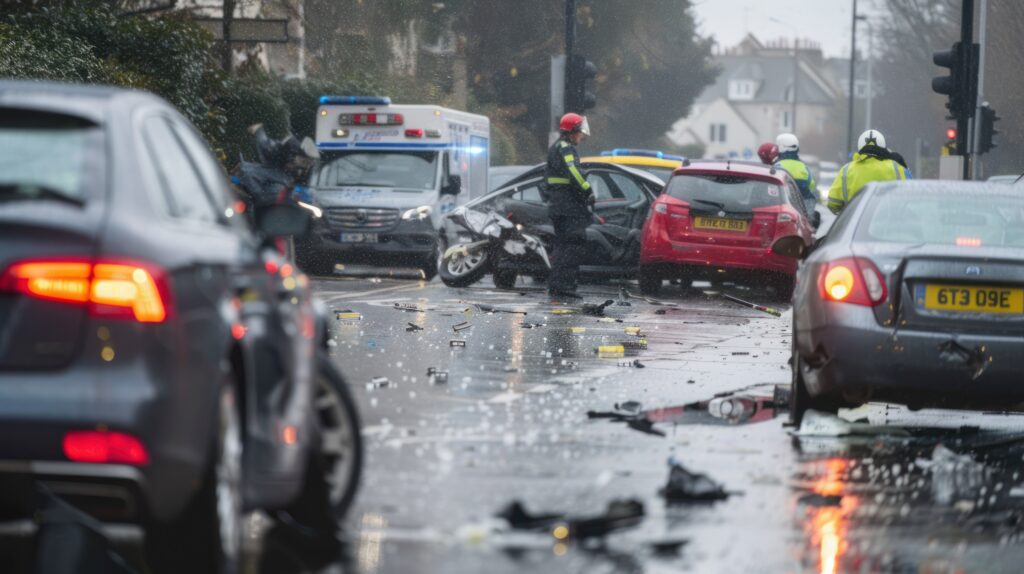
If you’ve ever asked, “Can I be at fault even if I was rear-ended?” or “Who pays for damages in a 5-car highway collision?” — this article provides clear, comprehensive answers.
What Is a Multi-Car Pileup?
A multi-car pileup occurs when three or more vehicles are involved in a single incident, often on high-speed roadways such as highways or freeways. These accidents usually result from a chain reaction, where one collision causes several others in rapid succession.
Key Characteristics of Multi-Car Pileups
- Sequential Collisions: One vehicle hits another, setting off a domino effect of impacts.
- Limited Reaction Time: Drivers have very little time to react to the vehicle in front.
- Difficult Fault Assignment: The presence of multiple drivers makes liability more complex.
- Increased Risk of Injury: High-speed, multi-vehicle crashes tend to result in serious injuries or fatalities.
Where and When Do Pileups Usually Occur?
- On Freeways and Interstates: Higher speeds increase the risk of cascading collisions.
- During Inclement Weather: Fog, rain, or snow reduces visibility and braking ability.
- In Heavy Traffic: Dense traffic gives drivers less time and space to avoid a collision.
Common Causes of Chain-Reaction Crashes
Understanding the root causes helps in analyzing who may be responsible.
1. Tailgating or Following Too Closely
When drivers don’t maintain a safe distance, they can’t stop in time during sudden braking. This is one of the leading causes of rear-end collisions in pileups.
2. Distracted Driving
Texting, adjusting the radio, or eating behind the wheel can prevent drivers from reacting to sudden stops or hazards ahead.
3. Slippery Road Conditions
Ice, rain, or oil on the road can reduce traction and increase stopping distance, especially dangerous in fast-moving traffic.
4. Speeding
Drivers who exceed the speed limit are less likely to stop in time to avoid hitting the vehicle in front during sudden slowdowns.
5. Mechanical Failures
Brake failure or broken taillights can contribute to an inability to avoid or warn of impending collisions.
How Is Fault Determined in a Multi-Car Pileup?
Assigning blame in a multi-car accident is rarely straightforward. Investigators must determine who triggered the crash, how subsequent drivers responded, and whether any laws were broken.
Legal and Insurance Standards for Fault
- Negligence: A driver is considered at fault if their actions (or failure to act) led to the crash.
- Duty of Care: Each driver has a legal duty to drive safely and avoid harming others.
- Breach and Causation: Fault hinges on whether a driver breached their duty and whether that breach caused the crash.
Typical Investigation Priorities
- First Point of Impact: Often used as a starting point to trace the chain of events.
- Driver Behavior: Investigators look for evidence of distracted driving, speeding, or reckless behavior.
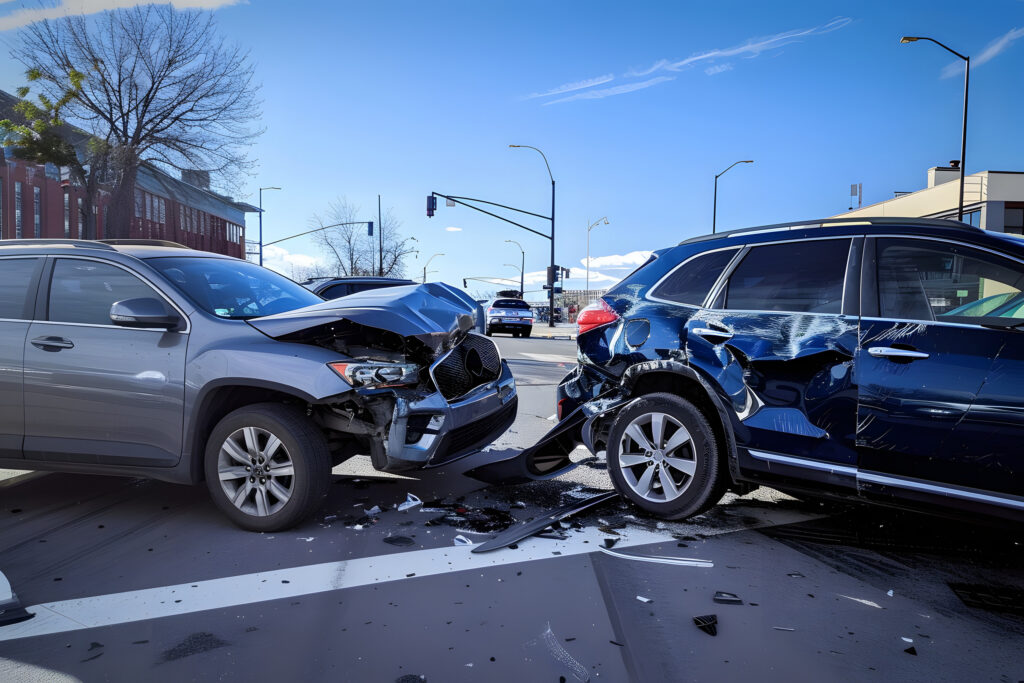
- Damage Patterns: The type and location of vehicle damage help reconstruct who hit whom.
Can Multiple Drivers Be at Fault?
Yes. In most pileups, liability is shared among two or more drivers. Even if you were not the first car to crash, you could be found partially at fault if you were following too closely or failed to brake in time.
Legal Doctrines That Affect Liability in Pileups
State laws significantly influence how fault is assigned and how damages are paid out. The two most important doctrines are comparative negligence and fault system classification.
Comparative Negligence: Dividing the Blame
This legal concept allows more than one driver to be partially responsible for the crash. Each party is assigned a percentage of fault, which can reduce their claim compensation.
Types of Comparative Negligence:
- Pure Comparative Negligence: Drivers can recover damages regardless of how much fault they share, even up to 99%.
- Modified Comparative Negligence: Drivers can only recover damages if their share of fault is less than 50% or 51%, depending on the state.
No-Fault vs At-Fault State Systems
Each U.S. state follows either a no-fault or at-fault approach to insurance and accident claims.
In No-Fault States:
- Each driver’s insurance covers their own injuries and damages.
- Lawsuits are limited unless injuries are severe or costs exceed a certain threshold.
In At-Fault States:
- The driver(s) who caused the accident must pay for others’ damages.
- Lawsuits for compensation are common and expected.
What Do Insurance Investigators Look For?
Insurers assign adjusters to examine the facts of a pileup, often using a step-by-step process.
Key Evidence Gathered in the Investigation
- Police Reports: Include diagrams, officer observations, and citations.
- Eyewitness Statements: Provide third-party views of the crash.
- Traffic and Dashcam Footage: Offer video evidence of the collision and vehicle positions.
- Vehicle Damage Reports: Reveal angles of impact and vehicle movements.
- Expert Reconstruction: Engineers may create simulations to analyze fault distribution.
Steps in the Insurance Claims Process
- Filing Claims: Drivers involved in the accident report to their insurers.
- Evidence Collection: Adjusters gather documents, images, and statements.
- Review and Analysis: The sequence of crashes is reconstructed to assess fault.
- Subrogation: Insurers of non-fault drivers may pursue the responsible party’s insurer for reimbursement.
- Settlement or Dispute: Claims are settled or escalated if disagreements persist.
How to Dispute Fault in a Multi-Car Crash
Disagree with your assigned fault? You have options.
Steps to Challenge Fault Determination
- Request All Documentation: Get a copy of the police report and adjuster’s notes.
- Provide New Evidence: Dashcam footage or photos can support your version of events.
- Hire a Legal Representative: An attorney can communicate with insurers and advocate on your behalf.
- File a Dispute Letter: Submit your formal disagreement with evidence attached.
- Seek Expert Testimony: Accident reconstruction experts can support your claim with technical analysis.
Acting quickly after receiving your fault assignment improves your chances of changing the outcome.
Common Challenges After a Pileup
Being part of a multi-vehicle crash often leads to more than just property damage.
Frequent Post-Accident Issues
- Delayed Insurance Settlements: Complex investigations take longer to resolve.
- Injury Complications: Some symptoms appear days later, complicating claims.
- Legal Disputes: Shared fault leads to more negotiation or even lawsuits.
- Emotional Distress: The trauma of a pileup can cause anxiety and fear of driving.
Staying organized, documenting your injuries, and working with a legal professional can reduce the burden of the post-accident process.
Frequently Asked Questions (FAQs)
Who pays for damages in a multi-car pileup?
The answer depends on your state. In no-fault states, your own insurance covers damages regardless of who caused the crash. In at-fault states, the driver(s) found responsible are liable. If multiple drivers share blame, each insurer may cover a portion.
Can I be at fault if I was rear-ended?
In most rear-end collisions, the following driver is at fault. However, in a chain-reaction crash, this isn’t always true. If you stopped suddenly for no reason or didn’t have working brake lights, you could share some blame.
What is comparative negligence?
Comparative negligence is a legal principle where each driver is assigned a percentage of fault. Your compensation is reduced by your share of blame. For example, if you’re 30% at fault, you’ll receive 70% of the total compensation.
How long do insurance investigations take?
Investigations can take several weeks to months, especially in pileups involving multiple insurers. The more vehicles involved, the longer it takes to review statements, damage reports, and evidence.
Do I need a lawyer after a pileup?
While not legally required, it’s strongly recommended — especially if injuries occurred or fault is contested. A lawyer can help gather evidence, dispute fault assignments, and ensure you receive fair compensation.
Contact Purchase, George & Murphey, P.C. Today
Multi-car pileups are overwhelming, but understanding how fault is assigned can help you protect your rights, finances, and recovery. Remember:
- Fault may be shared.
- Evidence matters.
- Insurance adjusters don’t have the final word.
- Legal help can make a huge difference.
Were you involved in a multi-car pileup? Don’t navigate the legal and insurance maze alone. Contact a qualified personal injury lawyer to help you challenge fault, build your case, and recover the compensation you deserve.