A motorcycle accident can happen in seconds, but the documentation you collect afterward can affect your insurance claim, legal rights, and financial recovery for years. In the immediate aftermath of a crash, adrenaline may mask injuries, and confusion can make it difficult to think clearly. However, taking structured, intentional steps to document the scene is one of the most important things you can do to protect yourself.
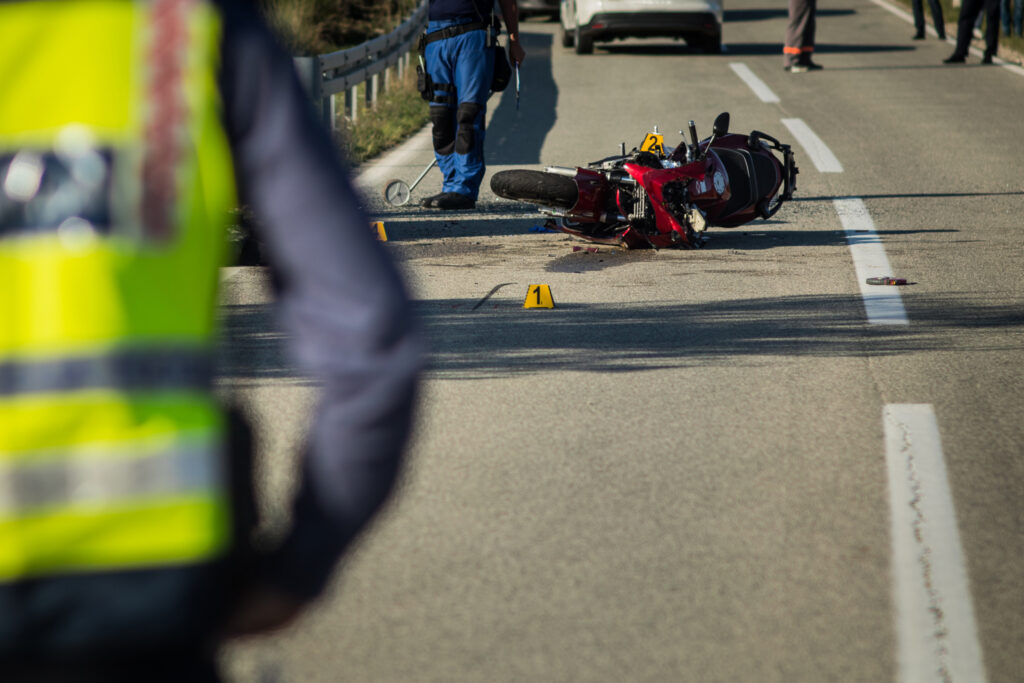
Motorcyclists often face heightened scrutiny in accident investigations. Without strong documentation, evidence can disappear, fault can be misassigned, and insurance companies may reduce or deny valid claims. This guide explains, in detail, how to properly document a motorcycle crash scene to safeguard your interests.
Why Motorcycle Crash Documentation Is So Important
Increased Injury Severity
Motorcyclists lack the structural protection that drivers of passenger vehicles have. As a result, crashes often lead to:
- Traumatic brain injuries
- Broken bones
- Road rash
- Internal injuries
- Spinal trauma
Because injuries are often more severe, the financial stakes are higher. Insurance companies may scrutinize claims more carefully when payouts are substantial.
Bias Against Riders
Unfortunately, riders sometimes face assumptions such as:
- The motorcyclist was speeding.
- The motorcyclist was riding aggressively.
- The rider failed to yield.
Without objective evidence, these assumptions can influence how fault is determined. Proper documentation provides factual support to counter bias.
Evidence Disappears Quickly
Time-sensitive evidence includes:
- Skid marks
- Debris patterns
- Fluid spills
- Vehicle positioning
- Traffic signal phases
- Temporary road hazards
Once vehicles are moved or traffic resumes, recreating the scene accurately becomes nearly impossible.
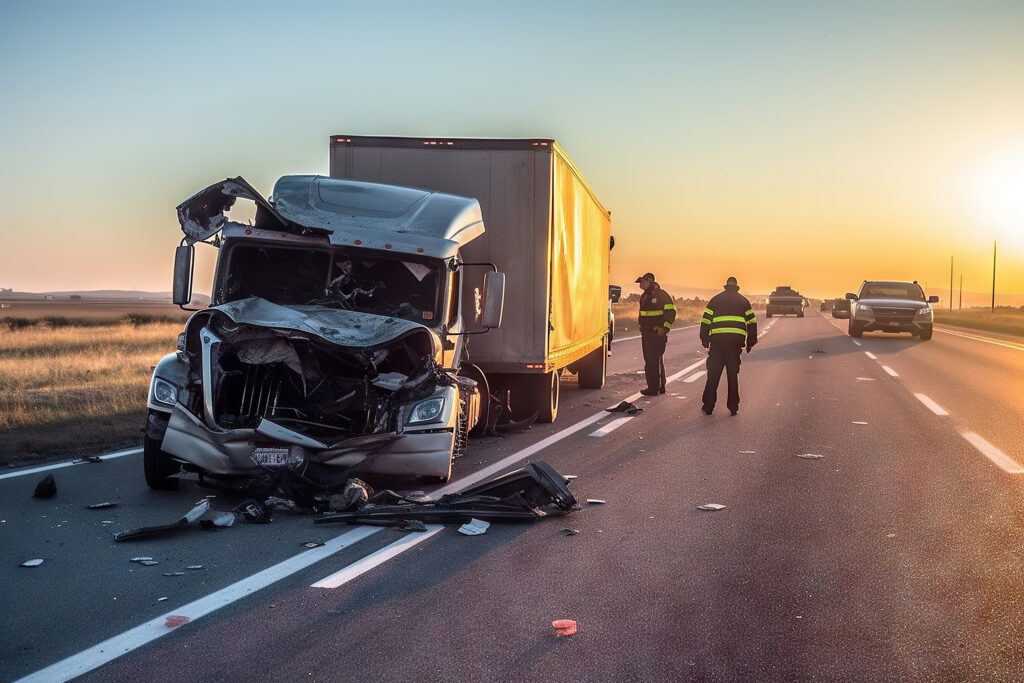
Step 1: Photograph the Entire Crash Scene Before Anything Moves
Why Scene Context Is Critical
The overall layout of the crash scene helps establish how the accident occurred. Wide-angle documentation can demonstrate:
- Direction of travel
- Lane positioning
- Points of impact
- Braking attempts
- Visibility conditions
If vehicles are moved before documentation, you may lose critical proof of how the collision unfolded.
What to Capture Immediately
Before tow trucks arrive or vehicles are repositioned, document:
Full Scene Overview
- All vehicles involved
- Both directions of traffic
- Nearby intersections
- Street signs and landmarks
Vehicle Resting Positions
- Final position of your motorcycle
- Final position of other vehicles
- Distance between vehicles
Skid Marks and Debris
- Length and direction of skid marks
- Debris fields
- Fluid leaks
Skid marks, in particular, can show braking attempts and vehicle direction.
Best Practices for Scene Documentation
- Take photos from multiple angles.
- Capture images from standing height and lower perspectives.
- Avoid deleting any photos, even if they seem redundant.
- Take more photos than you believe are necessary.
Redundancy strengthens your case.
Step 2: Document Motorcycle Damage and Impact Points
Why Damage Patterns Matter
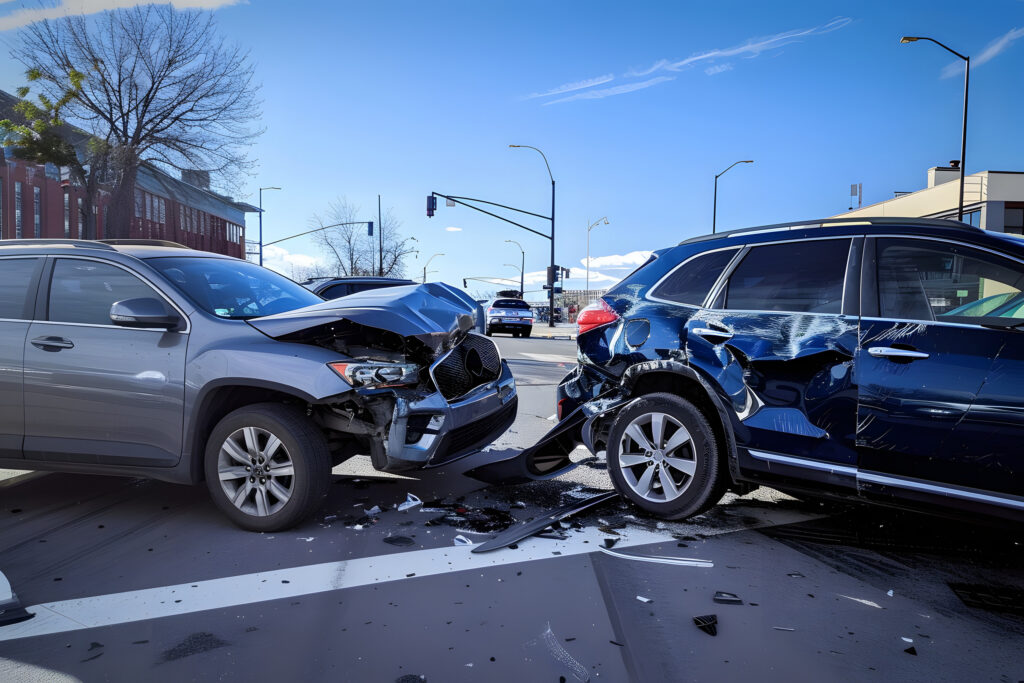
Damage patterns help experts determine:
- The direction of force
- The angle of collision
- Relative speed
- Whether you were struck from the front, side, or rear
Insurance adjusters often compare damage between vehicles to check for consistency.
Structured Documentation Approach
1. Start With Wide Shots
Photograph the entire motorcycle from:
- Front
- Rear
- Left side
- Right side
These images establish context.
2. Capture Primary Impact Areas
Take close-up photos of:
- Major dents
- Cracked components
- Broken fairings
- Bent forks
3. Document Secondary Damage
Look for:
- Scrapes along engine guards
- Handlebar misalignment
- Broken mirrors
- Damaged foot pegs
4. Record Mechanical Issues
If visible, photograph:
- Frame damage
- Tire damage
- Wheel alignment
- Leaking fluids
Do not clean the motorcycle before documenting it. Dirt, debris, and scraping patterns may serve as important evidence.
Step 3: Photograph Your Helmet and Riding Gear
Why Protective Gear Is Evidence
Your helmet and riding gear absorbed force during the crash. Damage to these items can demonstrate:
- Severity of impact
- Slide distance
- Head trauma risk
- Abrasion force
This physical evidence can strengthen injury claims.
What to Document
Helmet
- Exterior cracks
- Scratches and gouges
- Face shield damage
- Interior foam compression
Riding Jacket and Pants
- Torn fabric
- Abrasion marks
- Damaged protective padding
Gloves and Boots
- Palm scraping
- Crushed toe areas
- Worn-down materials
Preserve the Gear
Do not throw away damaged gear. Store it in a safe place until:
- Your insurance claim is finalized.
- Any legal case is resolved.
- Your attorney confirms it is no longer needed.
Physical evidence can become crucial in disputed claims.
Step 4: Document Road Conditions and Traffic Controls
Why Road Conditions Matter
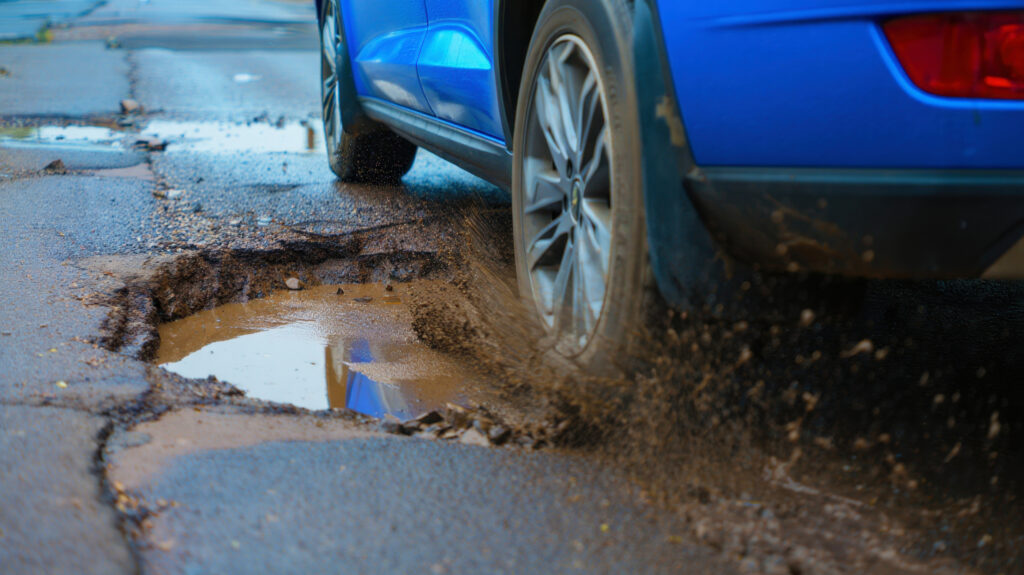
In some motorcycle crashes, external conditions contribute significantly. Hazardous road conditions may include:
- Loose gravel
- Potholes
- Oil spills
- Construction debris
- Faded lane markings
- Malfunctioning traffic signals
If a road hazard contributed to your accident, liability could extend beyond another driver.
Capture the Rider’s Perspective
Photograph the roadway as you saw it while approaching the crash:
- Visibility of traffic signals
- Obstructions blocking signage
- Curves and blind spots
- Road surface irregularities
Perspective photos can demonstrate limited reaction time or obstructed views.
Step 5: Collect Critical Information Before Leaving
Photos are essential, but documentation also includes information gathering.
Exchange Information With Other Drivers
Obtain:
- Full name
- Driver’s license number
- Insurance company and policy number
- Vehicle registration
- License plate number
If possible, photograph these documents to reduce transcription errors.
Police Documentation
Request:
- Police report number
- Officer’s name
- Badge number
- Department contact information
Police reports often influence insurance decisions, even if they are not final determinations of fault.
Witness Information
Witnesses can provide neutral accounts of the crash.
Collect:
- Full name
- Phone number
- Email address
- Brief description of what they observed
Witness statements are strongest immediately after the incident.
Injury Documentation: Establishing a Timeline
Immediate Injury Documentation
Within minutes or hours of the crash, photograph:
- Cuts and lacerations
- Bruising
- Swelling
- Road rash
- Visible bleeding
Even if injuries appear minor, document them.
Ongoing Injury Progression
Over the following days and weeks:
- Photograph bruise color changes
- Document stitches or staples
- Record physical therapy sessions
- Capture mobility limitations
- Document use of braces or medical devices
Maintaining a consistent injury timeline strengthens your claim.
Common Motorcycle Documentation Mistakes
Avoid these frequent errors:
- Moving vehicles before taking photos.
- Forgetting to document skid marks.
- Ignoring helmet damage.
- Relying solely on police photographs.
- Deleting photos that appear repetitive.
- Waiting too long to document injuries.
You cannot recreate the original scene later.
Frequently Asked Questions
What should I document first after a motorcycle crash?
You should immediately document the entire crash scene before vehicles are moved. Wide-angle photos of vehicle positions, skid marks, traffic signals, and road conditions establish context. Once vehicles are repositioned, this evidence is permanently altered.
How do I document motorcycle injuries for insurance purposes?
Begin by photographing visible injuries immediately and continue documenting them daily as they progress. Capture medical devices, treatment procedures, and mobility limitations. Consistent, timestamped documentation demonstrates severity and recovery timelines.
Can road hazards affect liability in a motorcycle accident?
Yes. Hazards such as potholes, loose gravel, oil slicks, or obstructed traffic signals may contribute to a crash. If unsafe road conditions played a role, liability could extend beyond another driver.
Should I keep my damaged helmet and riding gear?
Yes. Damaged protective gear serves as physical evidence of impact force and slide distance. Do not discard it until your insurance claim and any legal case are resolved.
Do I need a lawyer if I documented everything thoroughly?
Even strong documentation does not guarantee fair treatment from insurance companies. If fault is disputed, injuries are serious, or settlement offers are low, consulting a motorcycle accident attorney can significantly improve your outcome.
When to Contact a Motorcycle Accident Lawyer
You should strongly consider contacting a lawyer if:
- You suffered serious injuries.
- Liability is disputed.
- The insurance company delays communication.
- A low settlement offer is presented.
- Road conditions may have contributed to the crash.
An experienced motorcycle accident attorney can:
- Review your documentation
- Preserve additional evidence
- Handle insurance communications
- Hire accident reconstruction experts
- Negotiate aggressively
- File a lawsuit if necessary
Early legal involvement often strengthens your position and prevents costly mistakes.
Contact Purchase, George & Murphey, P.C. Today
Motorcycle crash scene documentation is a protective strategy. It transforms a chaotic event into a structured record of evidence.
In the minutes following a crash, focus on:
- Photographing the full scene
- Documenting motorcycle damage
- Preserving helmet and gear evidence
- Capturing road conditions
- Gathering witness information
- Establishing an injury timeline
Evidence fades quickly. Insurance disputes can last months. Legal battles can take years.
If you have been injured or face questions about liability, contact our qualified motorcycle accident lawyer as soon as possible. Protect your rights, your recovery, and your financial future.