Who is At Fault in Left Turn and Intersection Crashes
Left-turn accidents are among the most common—and most legally disputed—types of intersection collisions. Many drivers assume the person making the left turn is automatically responsible. While that is often the starting presumption under traffic law, it is not always the final determination. Fault depends on evidence, right-of-way rules, driver behavior, and state-specific negligence laws.
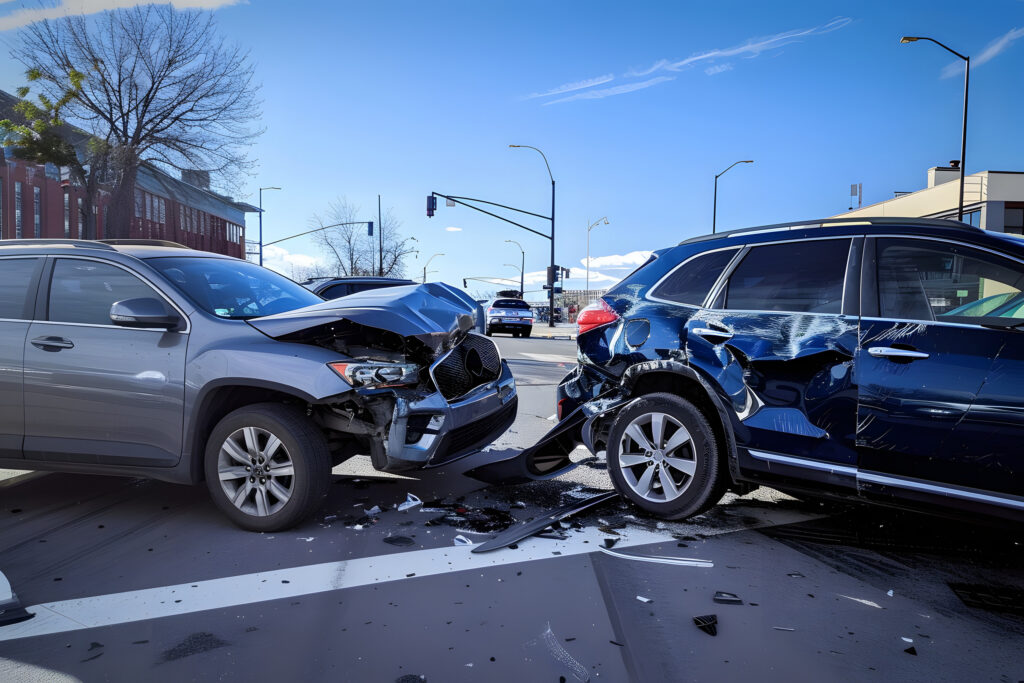
This comprehensive guide breaks down how fault is determined, what evidence matters most, how insurance companies evaluate these cases, and what legal options may be available if you’ve been involved in a left-turn crash.
Understanding Left Turn Accidents
What Defines a Left Turn Collision?
A left turn accident typically occurs when a vehicle turning left at an intersection crosses into the path of an oncoming vehicle traveling straight. These crashes frequently happen at:
- Signal-controlled intersections
- Four-way stops
- Uncontrolled intersections
- Driveways or private road exits
Because one vehicle is crossing active lanes of traffic, the risk of severe impact is high—especially if the oncoming vehicle is traveling at full speed.
Why Left Turn Crashes Are So Common
Left turns require drivers to:
- Judge the speed of oncoming vehicles
- Estimate distance accurately
- Monitor traffic signals
- Assess pedestrian crossings
- Watch for multiple lanes of opposing traffic
Even a small miscalculation can result in a serious collision. Human error, impatience, and distraction significantly increase the likelihood of these accidents.
Right of Way: The Core Legal Issue
General Rule: The Left-Turning Driver Must Yield
In most states, traffic laws require a driver making a left turn to yield to all oncoming vehicles that are close enough to pose a hazard. This means:
- The turning driver must wait until the path is clear.
- Oncoming traffic generally has priority.
- The burden is on the turning driver to ensure safety.
If a crash occurs while a driver is turning left, investigators typically start with the assumption that the turning driver failed to yield.
Exceptions to the Rule
However, there are important exceptions where the left-turning driver may not be fully—or at all—at fault:
Protected Left Turn Signal
If the driver had a green arrow, they were legally authorized to complete the turn.
Oncoming Driver Violations
Fault may shift if the oncoming driver:
- Was speeding
- Ran a red light
- Was distracted
- Drove without headlights at night
Intersection Timing Issues
If a driver lawfully entered the intersection on green and the light changed while completing the turn, fault may be shared or reassigned depending on timing evidence.
Common Causes of Left Turn Accidents
Understanding the cause of the crash is critical to determining liability.
1. Failure to Yield
This is the most common cause. A driver turns without allowing oncoming traffic to pass safely.
2. Misjudging Speed and Distance
Drivers often underestimate how fast a vehicle is approaching, especially if the vehicle is exceeding the speed limit.
3. Rushed Decisions at Yellow Lights
Both drivers may try to “beat” a changing light, creating a dangerous overlap.
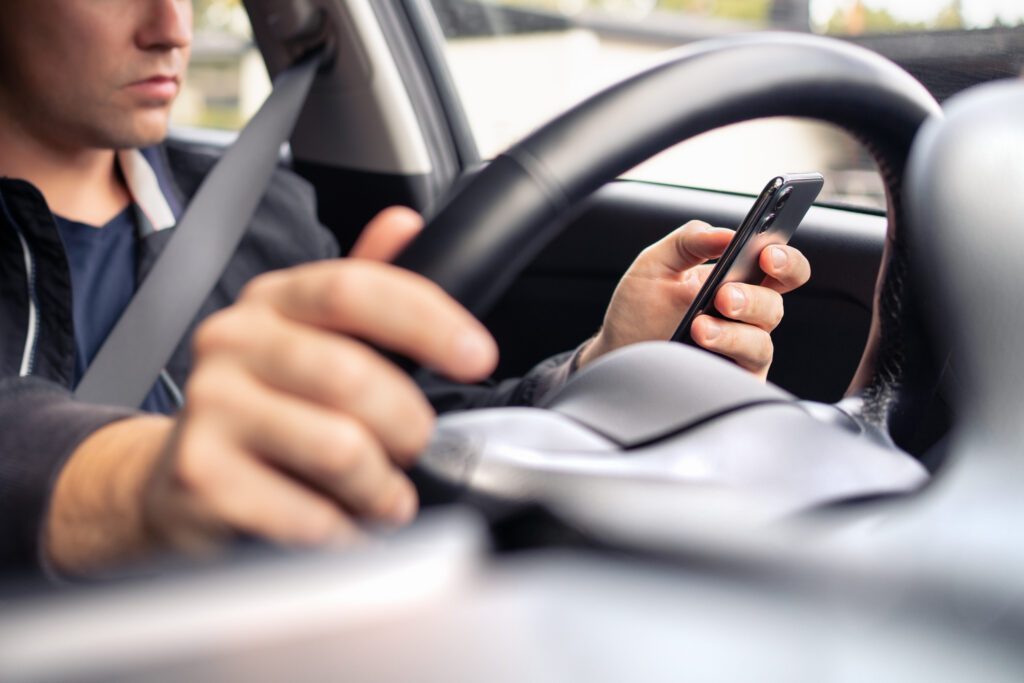
Mobile phones, GPS systems, and in-vehicle distractions reduce reaction time.
5. Obstructed Views
Large vehicles, weather conditions, or poor lighting can prevent clear visibility.
6. Failure to Signal
Without a clear signal, other drivers may not anticipate a left turn, increasing collision risk.
How Fault Is Legally Determined
Determining fault involves examining the totality of the circumstances. It is not based on assumptions alone.
Police Investigation
Officers at the scene typically:
- Interview both drivers
- Speak with witnesses
- Assess traffic signal function
- Document vehicle damage
- Note road conditions
Their report often includes a preliminary assessment of fault, though it is not legally binding.
Evidence Review
Insurance companies and attorneys analyze:
- Traffic light sequencing data
- Dash cam footage
- Intersection surveillance footage
- Skid marks and debris patterns
- Vehicle impact points
Accident reconstruction specialists may be brought in for serious injury cases.
Legal Standard: Negligence
To establish liability, it must be shown that a driver:
- Owed a duty of care
- Breached that duty
- Caused the accident
- Resulted in damages
Failing to yield typically constitutes a breach of duty—but context matters.
Comparative Negligence and Shared Fault
What Is Comparative Negligence?
Many states use comparative negligence systems, which allow fault to be divided between drivers.
For example:
- Driver A is 70% at fault.
- Driver B is 30% at fault.
- Driver B can still recover damages reduced by 30%.
Types of Comparative Negligence
Pure Comparative Negligence
A driver can recover damages even if they are 99% at fault.
Modified Comparative Negligence
Recovery is barred if the driver is more than 50% or 51% at fault, depending on the state.
Left-turn accidents frequently involve shared fault when:
- The turning driver failed to yield
- The oncoming driver was speeding or distracted
Evidence That Strengthens Your Case
Dash Cam Footage
Dash cams are increasingly valuable in proving:
- Traffic signal status
- Speed of vehicles
- Signal use
- Sequence of events
Video evidence often overrides conflicting driver statements.
Witness Testimony
Neutral third-party witnesses can:
- Confirm who had the right of way
- Identify signal violations
- Provide credibility to your version of events
Physical Evidence
Crash reconstruction experts examine:
- Vehicle damage location
- Impact angles
- Skid marks
- Final vehicle resting positions
These physical clues often reveal which driver entered the intersection unlawfully.
How Insurance Companies Evaluate Left Turn Crashes
Insurance companies conduct their own investigations. They consider:
- Police reports
- Driver statements
- Traffic citations
- Physical damage patterns
- Recorded video evidence
- Prior driving history
While insurers often presume the left-turning driver is responsible, that presumption can be challenged.
Common Insurance Tactics
Be aware of these practices:
- Assigning fault quickly to close claims faster
- Requesting recorded statements that may be used against you
- Offering early settlement amounts before full damages are known
Consulting an attorney before giving detailed statements can protect your rights.
Filing a Personal Injury Claim
When You May Have a Claim
You may pursue a personal injury claim if:
- You suffered physical injuries
- You incurred medical expenses
- You lost income
- You experienced long-term disability
- The other driver was partially or fully at fault
Types of Compensation Available
- Emergency medical treatment
- Ongoing rehabilitation
- Vehicle repairs
- Lost wages
- Pain and suffering
- Future medical costs
An attorney can help calculate damages accurately and negotiate aggressively.
Preventing Left Turn Accidents
Defensive Driving Techniques
To reduce your risk:
- Wait for a protected green arrow whenever possible
- Avoid turning during heavy traffic congestion
- Double-check blind spots
- Do not rush yellow lights
- Make eye contact with approaching drivers
- Signal well in advance
Use Technology to Protect Yourself
Installing a dash cam can:
- Provide objective proof in disputes
- Deter fraudulent claims
- Speed up insurance processing
Preventative measures not only reduce accidents but also strengthen your legal position if one occurs.
Frequently Asked Questions
Is the left-turn driver automatically at fault?
No. Although the left-turning driver is often presumed responsible because they must yield, this presumption can be rebutted. If the oncoming vehicle was speeding, ran a red light, or engaged in distracted driving, fault may be shared or reassigned entirely based on evidence.
What should I do immediately after a left turn accident?
Ensure everyone’s safety first and call emergency services if necessary. Exchange insurance and contact information, document the scene with photos and video, gather witness details, and request a police report. Avoid admitting fault at the scene.
Can both drivers be held responsible?
Yes. Under comparative negligence laws, both drivers can share fault. Compensation is reduced according to each party’s percentage of responsibility.
What if there were no witnesses?
Even without witnesses, fault can still be proven through dash cam footage, traffic camera recordings, vehicle damage analysis, and professional accident reconstruction.
Do I need a lawyer for a left turn accident claim?
If there are injuries, disputed fault, or significant damages, hiring a lawyer is strongly recommended. An attorney can gather evidence, challenge insurance findings, negotiate settlements, and represent you in court if necessary.
Contact Purchase, George & Murphey, P.C. Today
Left turn accident fault is rarely as simple as it first appears. While traffic laws often require the turning driver to yield, many cases involve shared negligence, speeding, signal violations, or evidentiary disputes. Insurance companies may move quickly to assign blame—but that decision is not always final.
If you’ve been involved in a left-turn accident and fault is being questioned, protect yourself by gathering evidence and seeking professional legal advice.
Contact our qualified personal injury lawyer today to evaluate your case and protect your right to compensation.